Sobre votar

Eu gosto muito de votar. Eu gosto de chegar na minha zona eleitoral e ver alguns vizinhos ali. Estamos todos juntos em um ambiente neutro (eu voto no Palácio da Justiça aqui em Porto Alegre). Os mesários da minha zona são sempre muito gentis.

Eu gosto mais é do senso de comunidade do ambiente de votação. Embora eu reveja alguns vizinhos na zona eleitoral, uns como eleitores e outros como mesários, são poucas as vezes que a gente se reúne em um só lugar pra uma ação que leva alguns segundos e é profundamente imensa. Me faz sentir (ou perceber que eu sou) parte de uma comunidade, um entre muitos.

Ajuda que o dia da votação tende a ser um dia gostoso — o clima das últimas eleições que participei eram um dia de sol, mas fresco (hoje mesmo estava 21°C quando fui votar, e 13°C quando acordei). Torna um dia importante como esse em um dia de esperança, também.

Eu espero que Porto Alegre aprecie esse dia de sol para lembrar do que aconteceu nos dias de chuva — e da destruição que eles deixaram. Que a esperança desse dia não ofusque a memória de ontem.

hoje tá sendo um dia bom eu acordei às 6h e

Hoje tá sendo um dia bom.

Eu acordei às 6h, e saí pra minha caminhada matutina. Faziam 12° C na rua, mas não tinha uma nuvem sequer no céu. Só o sol, algo que tá ficando cada vez mais raro de aparecer aqui no sul.

Então eu saí pra caminhar antes do Tobias acordar e antes do trabalho começar. Tava frio demais. Depois que eu voltei, eu fiz um café e esperei o Tobias se levantar. Passeamos, e agora eu tô trabalhando (e escrevendo).

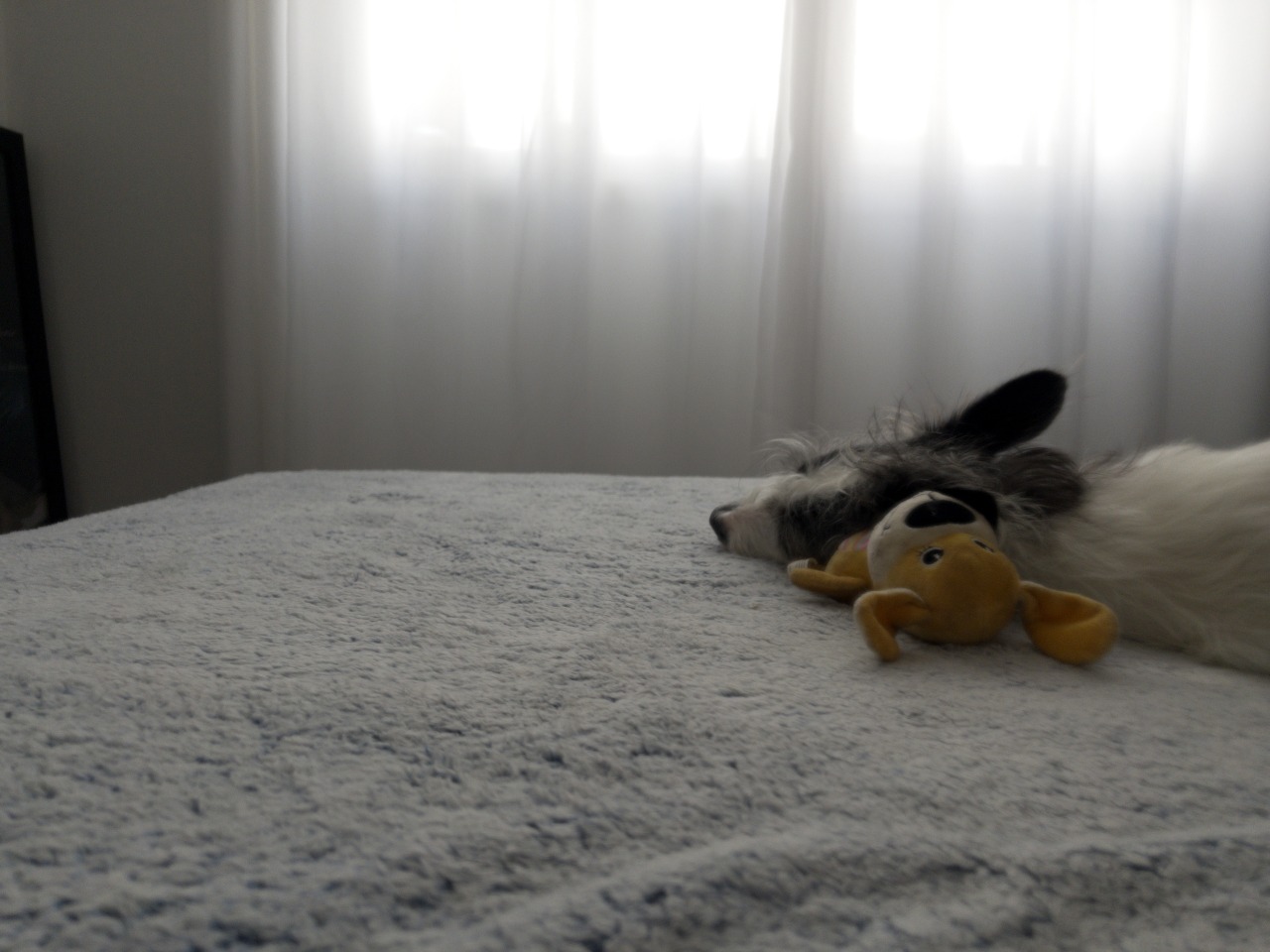
O Tobias tá perdendo bastante pelo por causa da quimioterapia, então eu varro a casa escutando minha playlist para manhãs e, quando eu canso, eu venho aqui e escrevo um pouco mais desse post. Eventualmente ele vai terminar, e eu vou precisar voltar a varrer.

Tá sendo um dia quieto e um dia perfeito. Meus dias favoritos são assim.

First Sounds

https://embed.music.apple.com/br/album/1753695947

Eu tô apaixonado pelo novo disco da Sarah Neufeld com Richard Reed Parry e Rebecca Foon. As cordas de Neufeld sempre me impressionaram nas músicas em que ela participava pro Arcade Fire – e, principalmente, nas vezes que eu vi eles ao vivo. Em “Slow New Year”, essas mesmas cordas vêm com tudo. Parece até uma conversa, uma construção.

↪ spencerchang.substack.com/p/ti-09-the-internet-is-one-big-video

[TI-09] the internet is one big video game

I like newsletters that feel more like dispatches than editorialized posts. Inspired by Laurel and Robin, I’d like to share a little bit about where I am and where I’ve been lately.
[…]
The world manages to find a way to strike you with the most indescribable beauty when you need it most.

[…]
Websites are the future of video games.

They are the “end game” of video games. They are spaces where the end players (the website visitors) have the agency to freely interact with others, and not towards any predetermined object, but purely for themselves, discovering who they are in each new environment and finding new ways of relating to one another.

Somewhere in the push to make the internet the infrastructure of a global capitalist economy, we lost this perspective on what the internet is. If I asked people to define what websites are to them, they might talk about the capabilities they provide: “the world’s information at your fingertips,” “AI that does whatever you ask of it,” “a platform for selling products.” Or as design artifacts: they provide the basis of interactive, creative pieces of art, media, and writing.

But if we distill a website down to its base components, it is a space that allows people to talk to each other. In the era when the internet was new and before we had predetermined what it was “for,” everyday internet pioneers found ways to talk to one another by making websites for each other.

WWW: The Way We Were

WWW: The Way We Were

Jason Kottke, citando um diálogo nos momentos finais de Halt & Catch Fire:

Joe: How did we all get here today? The choices we made? The sheer force of our wills, something like that? Here’s another answer: the winds of fate, random coincidence, some unseen hand pushing us along. Destiny. How did we all get here today? We walked through this door. We don’t have to build a big white box or stadium or invent rock n’ roll. The moment we decide what the Web is, we’ve lost. The moment we try to tell people what to do with it, we’ve lost. All we have to do is build a door and let them inside.

When I was five, my mother took me to the city. And we went through the Holland Tunnel and it was basic, concrete and steel, but it was also my excitement sitting in the backseat, wondering when it was going to be our turn to emerge, it was the explosion of sunlight. And when we exited the tunnel, all of Manhattan was laid out before us. And that was the best part of the trip: the amazing possibility to be able to go anywhere within something that is magnificent and never-ending.

This is the first Web browser, the one CERN built to view and edit research. I wrote it up here for you to see how simple it is. It takes up one whiteboard — that’s basic concrete and steel — but we can take this and we can build a door and we can be the first ones to do it because right now, everyone else sees this…

Donna: …as an online research catalog…

Gordon: …running on NeXT…

Cameron: …on a network in Europe.

Joe: And with this handful of code, we can build the Holland Tunnel.

Essa é uma das melhores traduções da linda possibilidade do que é um navegador, e o que é, em si, navegar na internet.

Kottke:

But the open Web enthusiasts and advocates missed an opportunity to take what the Web was in the 90s and make that available to everyone. Instead of walled gardens like Facebook, Pinterest, and Medium (which echo the closed online services like AOL, Prodigy, and Compuserve that predated the Web), imagine a bunch of smaller services bound together with open protocols where individuals have both freedom and convenience. […] I hope I’m wrong, but with all of the entrenched incumbents and money pumping into online services, I’m afraid that time has truly passed. And it’s breaking my heart.

The Quiet Web

The Quiet Web

Brian Koberlein:

The quiet filter isn’t perfect. There are plenty of quiet sites that use Google Analytics just because it’s an easy way to see if anyone is reading. And some sites pass the test while still having a bombastic style. But the filter does reveal hidden treasures. Sites that are thoughtfully and personally written. There’s often intentionality to them that is refreshing to read. I find my own ideas are challenged more on these sites, and that’s a good thing.

The biggest downside of the quiet web is that it can be difficult to find. You can’t simply Google topics of interest. Instead, you have to dig a bit. Go down rabbit holes until you come across an interesting quiet page. It takes time and effort. It’s easier just to doomscroll on Twitter. But the effort is worthwhile. As you gather more of the quiet web into your readership, you will notice the negative effects of the traditional loud web more. And once you get used to the quiet web, you may never want to go back.